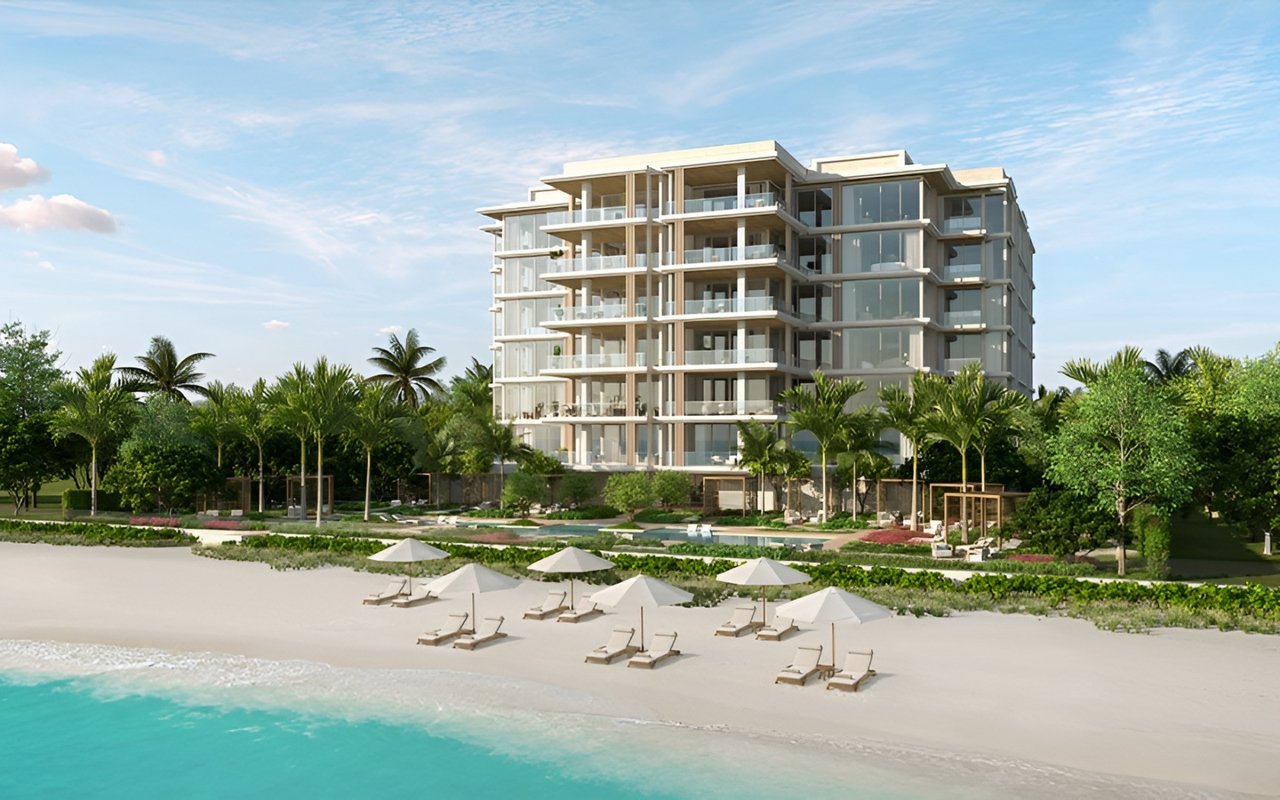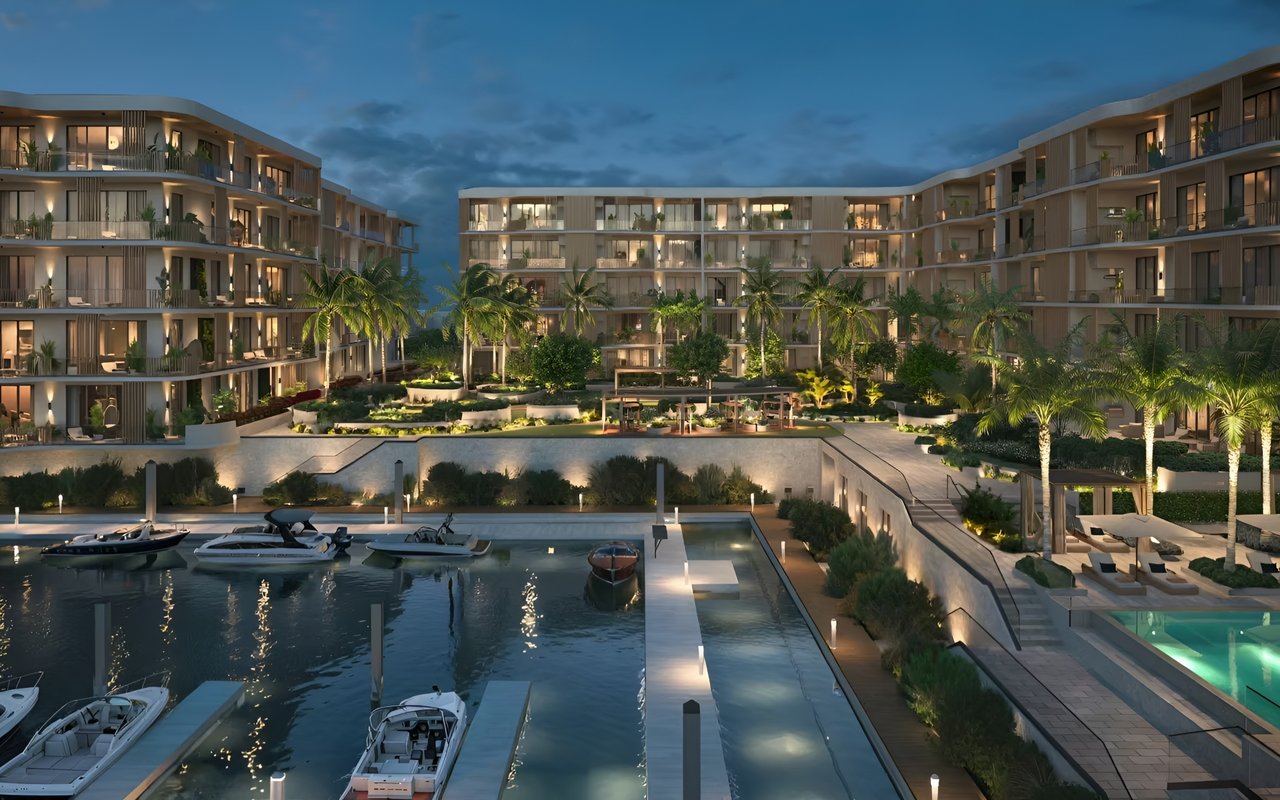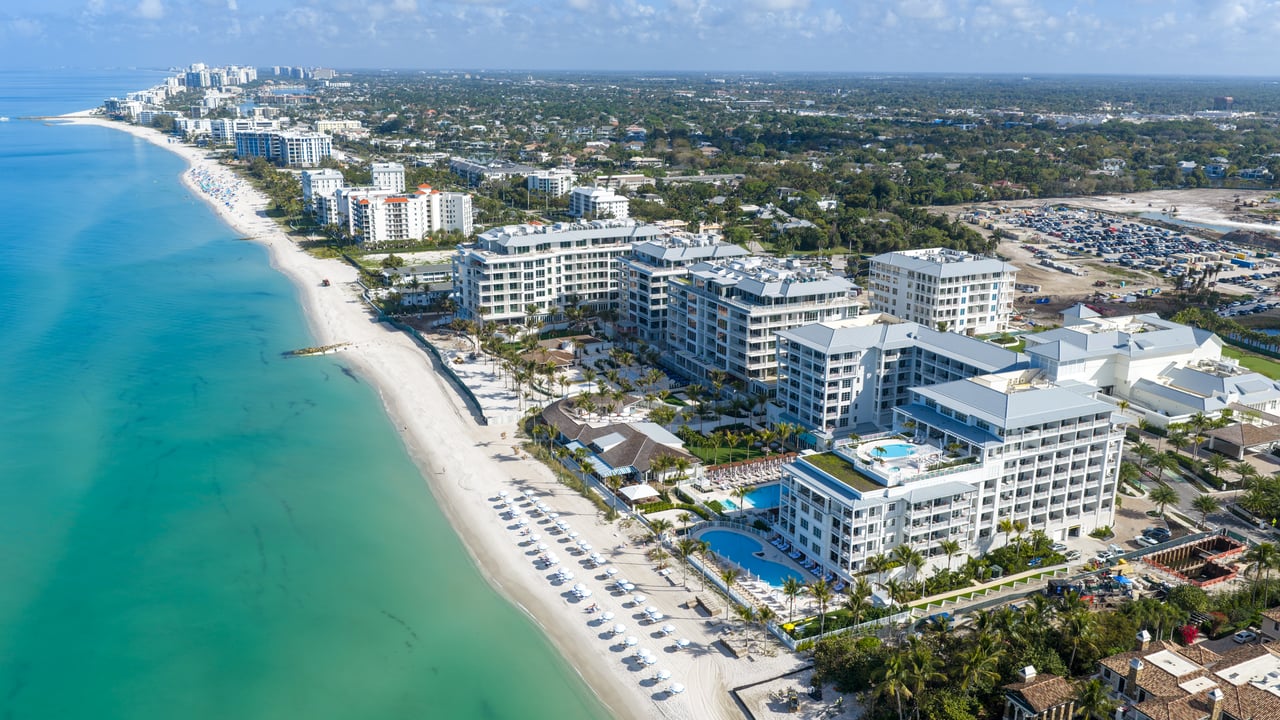
In Naples, flood zones are part of the conversation whether you are evaluating a beachfront condominium, a bayfront home, or a custom residence in one of the city’s most desirable coastal neighborhoods.
That does not mean a property is automatically problematic. It means the property needs to be understood properly.
For buyers and sellers in Naples, flood zone designations can influence insurance, renovation flexibility, construction standards, and ultimately how a property is perceived in the market. The right way to look at flood risk is not emotionally, but intelligently and in context. The City of Naples and Collier County use FEMA Flood Insurance Rate Maps, and the current 2024 flood maps are in effect for construction and insurance purposes.
In my experience, sophisticated buyers are rarely scared off simply because a property falls within a flood zone. What they want is clarity. They want to understand how the designation affects ownership, future plans, and long-term desirability. That is especially true in luxury neighborhoods such as Port Royal, Aqualane Shores, Old Naples, Coquina Sands, the Moorings, and parts of Pelican Bay, where proximity to the Gulf, the bay, and canals is often part of the appeal.
What Is a Flood Zone?
A flood zone is FEMA’s way of identifying the level and type of flood risk associated with a property. These designations appear on Flood Insurance Rate Maps, often referred to as FIRMs, and they are used by lenders, insurers, municipalities, surveyors, and property owners to assess risk and determine certain requirements. Special Flood Hazard Areas are generally the higher-risk categories tied to the 1% annual-chance flood.
In practical terms, a flood zone helps answer several important questions:
Is flood insurance likely to be required?
How might this affect renovation or new construction?
Will elevation matter significantly for insurance pricing?
Could future improvements be more complicated than expected?
Those questions matter in every market, but they matter more in Naples because so much of the area’s most valuable real estate is tied to the water.
The Flood Zones Buyers Most Commonly Encounter in Naples
Zone X
Zone X is generally considered a lower-risk zone. In many cases, flood insurance is not required by a federally regulated or insured lender in Zone X, though owners may still choose to carry it. Some Zone X areas are unshaded and lower risk, while shaded Zone X can indicate moderate risk, including the 0.2% annual-chance floodplain.
That said, lower risk does not mean no risk. In Naples, even properties outside the highest-risk designations can still experience meaningful flood exposure depending on rainfall, storm conditions, elevation, and drainage.
Zone AE
Zone AE is a high-risk flood zone within the Special Flood Hazard Area. It reflects an area subject to the 1% annual-chance flood, and Base Flood Elevations are assigned. For a buyer, that usually means flood insurance becomes a more serious part of the due-diligence process, especially if financing is involved.
Zone VE
Zone VE is the coastal high-hazard zone. These are areas subject not only to the 1% annual-chance flood, but also to wave action and more forceful coastal flooding. In a market like Naples, that designation is especially important for beachfront and near-beach properties because it can affect insurance, design, and what is or is not permissible when modifying a structure.
Why Flood Zones Matter So Much in the Naples Luxury Market
In many parts of the country, flood zones are a side issue. In Naples, they are often central to the ownership equation.
A buyer looking at a newer elevated residence in Port Royal may view flood risk very differently than a buyer considering an older waterfront home in Aqualane Shores or Old Naples that may eventually need renovation, reconstruction, or significant updating. In the condominium market, especially in luxury waterfront buildings, buyers are often thinking beyond the unit itself and considering the overall resilience, insurability, and future adaptability of the building.
This is where context matters. Two properties can sit in the same general flood category and still feel very different from an ownership-risk standpoint depending on elevation, age, construction, and future plans. That is why the flood zone alone never tells the full story. The City of Naples specifically notes that updated maps and elevation requirements may affect how you remodel, renovate, repair, or add on to a building in the future.
Base Flood Elevation: One of the Most Important Numbers to Understand
Base Flood Elevation, often referred to as BFE, is the predicted level floodwater is expected to reach during the 1% annual-chance flood. In Naples, that figure matters because it can affect new construction, some remodeling, and flood insurance pricing. The City notes that the relationship between the BFE and the structure’s actual elevation is one of the factors that determines flood insurance premiums.
In other words, the flood zone label matters, but the elevation relationship often matters just as much.
That is one reason why well-executed newer construction can command such strong interest in coastal Naples. Buyers often value not only the design and finish level, but also the clarity that comes with newer standards, newer elevations, and a more straightforward ownership profile.
Flood Insurance: What Buyers Need to Know
One of the first real-world effects of a flood zone is insurance.
If a property is in a Special Flood Hazard Area and the buyer is using a mortgage from a federally regulated or insured lender, flood insurance is generally required. Some lenders may also require flood insurance outside high-risk zones. Standard homeowners insurance generally does not cover flood damage, which is why flood insurance deserves separate attention early in the process.
In Naples specifically, the City also emphasizes that flooding is not covered by normal homeowners insurance and encourages property owners to seriously consider flood insurance even when it is not strictly required.
For luxury buyers, the important point is this: do not guess. Get the insurance conversation going early. The flood zone tells part of the story, but the structure’s elevation, configuration, and other underwriting factors can all influence the outcome. Collier County also notes that an elevation certificate is an important tool for insurance rating and compliance.
Renovations, Additions, and the “I’ll Just Update It Later” Assumption
This is where many buyers underestimate the importance of flood-zone analysis.
In Naples, a property’s flood designation can affect what you may be able to do later. The City of Naples states that if a structure is below the required flood elevation, floodplain management regulations may affect how you remodel, renovate, repair, or add on to the building. The City also notes that spaces below the Design Flood Elevation may only be used for parking, storage, and building access, and that dry floodproofing is not permitted on residential structures in V and Coastal A flood zones.
That is a major reason why flood diligence should happen before a buyer falls in love with a property based purely on views, architecture, or location.
For sellers, this also matters. Buyers in the luxury segment are increasingly thoughtful about future optionality. They want to know whether the property will remain easy to own, insure, improve, and reposition over time.
What Buyers Should Review Before Purchasing
If you are considering a property in Naples, I generally recommend looking at flood risk through five lenses.
1. Confirm the current flood zone
Start with the FEMA and local flood maps. The City of Naples confirms that the 2024 Flood Insurance Rate Maps are currently in effect for insurance and construction purposes.
2. Check whether an Elevation Certificate exists
Collier County maintains elevation-certificate resources and notes that an elevation certificate is important for compliance, insurance rating, and possible map-change requests.
3. Get an insurance quote early
Do not leave this to the end of the deal. Flood insurance can materially affect carrying costs, and in a coastal market that matters.
4. Think ahead about renovation plans
If the goal is to update, expand, or substantially improve the property later, understand the flood implications now, not after closing. Collier County and the City both flag flood-related renovation and substantial-improvement issues as critical review points.
5. Evaluate the whole ownership picture, not just the map label
This is where local market perspective matters. In Naples, the smartest decisions usually come from combining the map designation with the property’s elevation, building profile, neighborhood context, and long-term use case. That final point is my market interpretation, informed by the official mapping, insurance, and permitting framework above.
Final Thoughts
Flood zones are part of buying and owning real estate in Naples. They should be respected, but they should not be misunderstood.
In this market, the right question is rarely, “Is the property in a flood zone?” The better question is, “How does this flood-zone designation interact with the property’s elevation, design, insurability, and long-term ownership profile?”
That is the difference between surface-level concern and informed decision-making.
For buyers, that understanding can help avoid costly surprises. For sellers, it can help position a property more intelligently and address buyer concerns before they become obstacles.
If you are considering a property in Naples and want help understanding the flood-zone implications in the context of the neighborhood, the property type, and the broader market, I would be happy to help.
FAQ: Flood Zones in Naples, Florida
Does being in a flood zone automatically make a Naples property a bad purchase?
No. Many of Naples’ most desirable properties are near the Gulf, Naples Bay, or canals, so flood-zone designations are common. The more important issue is how the designation interacts with elevation, insurance, construction quality, and your future plans for the property.
Is flood insurance always required in Naples?
Not always. Flood insurance is generally required if the property is in a Special Flood Hazard Area and the buyer has a mortgage from a federally regulated or insured lender. Some lenders may require it even outside those zones, and many owners choose to carry it voluntarily.
Does homeowners insurance cover flooding?
Typically no. The City of Naples states that normal homeowners insurance does not cover flood damage, which is why separate flood coverage is so important to review.
What is the difference between Zone X, AE, and VE?
In general, Zone X is lower risk, Zone AE is a high-risk flood zone with Base Flood Elevations assigned, and Zone VE is a coastal high-hazard zone that also involves wave action and more forceful flooding.
What is Base Flood Elevation?
Base Flood Elevation is the predicted water level during the 1% annual-chance flood event. In Naples, it is a key number for construction standards, some renovation decisions, and flood insurance analysis.
Can flood zones affect renovations or additions?
Yes. The City of Naples states that flood-zone and elevation requirements may affect remodeling, repairs, additions, and substantial improvements. It also notes that residential areas below the Design Flood Elevation may only be used for limited purposes such as parking, storage, and building access.
Can I rely on the flood zone alone when evaluating a property?
No. The flood zone is only one piece of the analysis. Elevation, structure type, insurance cost, future renovation plans, and neighborhood context all matter. That is especially true in a luxury coastal market like Naples. This last point is my market interpretation based on the official framework above.
Where can I check a Naples property’s flood information?
A good starting point is the FEMA map system along with the City of Naples and Collier County floodplain resources. Collier County also provides elevation-certificate resources and floodplain contacts for additional guidance.
Official Flood-Mapping and Insurance Resources
Start an address-specific review at the FEMA Flood Map Service Center. Confirm the effective panel, any map revisions and the property’s actual location with the appropriate professionals. The City of Naples floodplain page identifies the 2024 maps as in effect; verify the applicable jurisdiction and current requirements for the parcel.
The NFIP’s Flood Insurance 101 explains mandatory insurance requirements for relevant high-risk properties with loans from federally regulated, supervised or insured lenders. Ask your lender and licensed insurance professional how current requirements and available coverage apply to the specific purchase.
Compare the Port Royal, Aqualane Shores and Vanderbilt Beach guides alongside the property-level review. Johnathan Shirey of Douglas Elliman can help coordinate the real-estate comparison; insurance and permitting determinations belong with the relevant specialists and authorities.